

Braids, twists, faux locs, sew-ins, wigs, and extensions
Affiliate disclosure: As an Amazon Associate, I earn from qualifying purchases. Health note: This article shares research and self-care guidance, not medical advice. If you have severe symptoms or signs of infection, seek medical care.
If you have ever gotten braids or another protective hairstyle and noticed itching, burning, soreness, or scalp irritation soon after, you are not alone. Many people assume this kind of discomfort is simply part of wearing protective styles, or something they have to tolerate in order to keep the look.
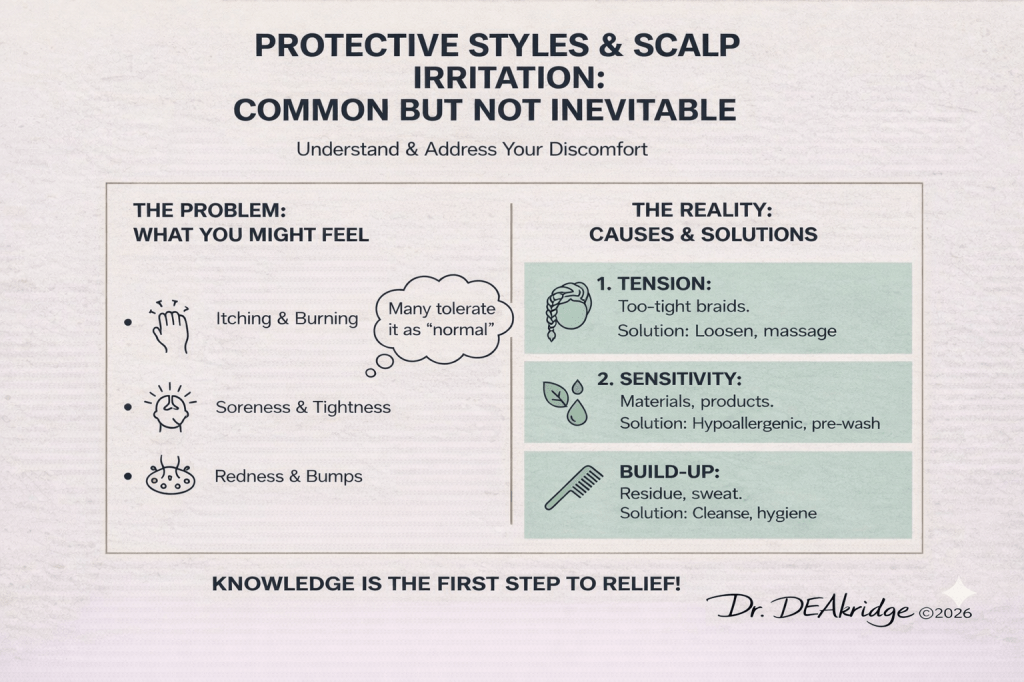
In reality, scalp irritation after protective styles is common, but it is not inevitable. Whether the cause is tension from tight braids, sensitivity to certain hair materials or products, or scalp build-up, irritation usually has a clear explanation and practical solutions. Understanding what is triggering your symptoms is the first step toward relief and toward making choices that support both scalp comfort and long-term hair health.
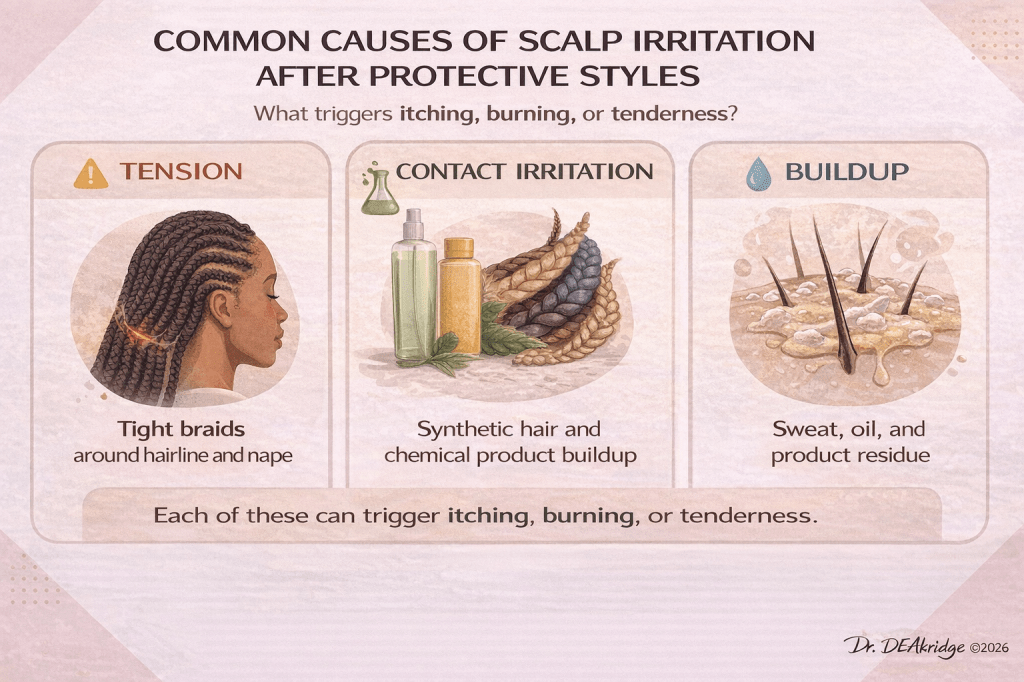
Most protective-style irritation falls into a few common categories. Identifying which one you are dealing with helps you address it more effectively and avoid making the discomfort worse.
Common Causes of Scalp Irritation After Protective Styles
1. Tension and tight installation
One of the most common causes of scalp irritation is excessive tension. Styles that feel tight immediately after installation, especially around the hairline or nape, can lead to soreness, headaches, bumps, and inflammation. Repeated tight styling over time may also contribute to traction-related hair loss.
If a style causes pain, stinging, or visible pulling of the scalp, it is a sign that adjustments are needed. Protective styles should not be painful, and ongoing discomfort should not be ignored.
2. Contact irritation from hair materials and products
Another frequent cause of irritation is contact sensitivity. This can occur when the scalp reacts to materials that sit against it for extended periods, such as synthetic braiding hair, chemical coatings, dyes, fragrances, gels, sprays, or adhesives.
Symptoms may include itching, burning, redness, or a rash that appears shortly after installation or develops gradually. People with sensitive skin, eczema, or a history of allergies are often more vulnerable to this type of reaction.
3. Build-up, sweat, and follicle irritation
Protective styles can trap sweat, oil, and product residue on the scalp. When this build-up is not properly managed, it can contribute to irritation or inflammation around hair follicles. This may show up as small bumps, tenderness, or persistent itching.
Keeping the scalp clean while wearing protective styles is essential, even though washing may require a modified routine.
What Research Says About Synthetic Braiding Hair and Chemical Exposure
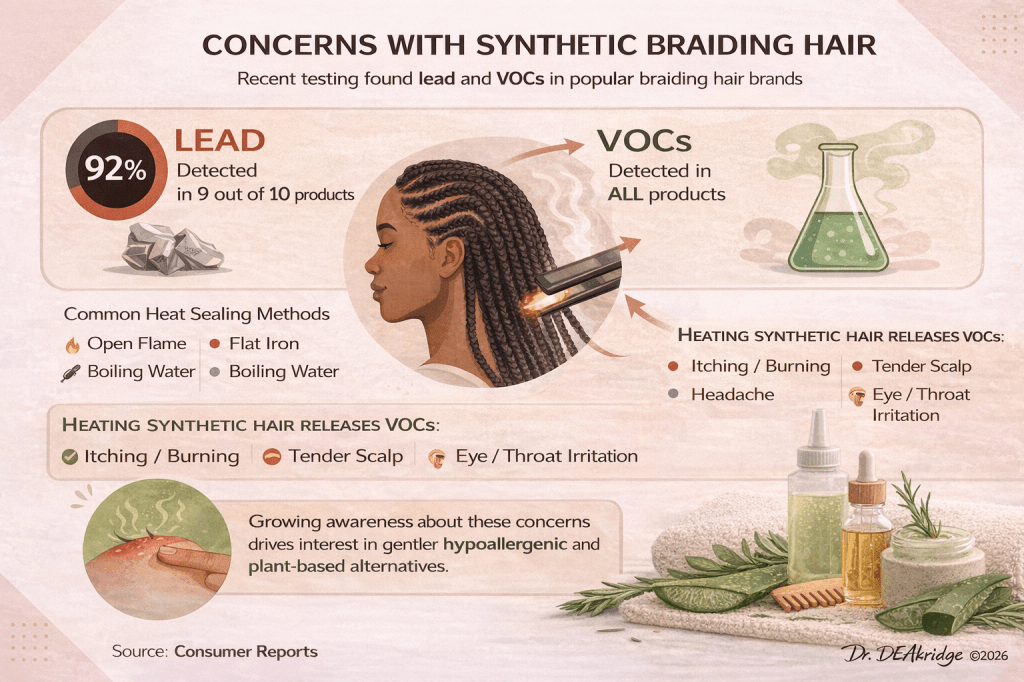
Recent independent testing by Consumer Reports has brought increased attention to the chemical composition of some commonly used synthetic braiding hair products. In laboratory testing of popular brands, lead was detected in most of the samples, and volatile organic compounds, known as VOCs, were detected in all tested products. These findings do not mean that harm will occur in every case, but they highlight a potential source of exposure that had not been widely discussed before.
How braiding hair is installed may also play a role. Many stylists seal braid ends using boiling water, flat irons, or open flame, which are common techniques used to prevent unraveling. Consumer Reports found that VOCs can be released when synthetic braiding hair is heated to temperatures similar to those used during installation methods such as hot-water dipping.
For some individuals, especially in enclosed or poorly ventilated spaces, exposure to VOCs may cause symptoms such as scalp irritation, burning sensations, headaches, andirritation of the eyes, nose, or throat. People with sensitive scalps or respiratory sensitivities may be more likely to notice these effects.
It is important to note that not everyone will experience symptoms. Many people wear synthetic braiding hair without noticeable issues. However, because braiding hair remains in close contact with the scalp for weeks at a time, even low-level exposure can become more noticeable for those who are already prone to irritation.
Taken together, this research helps explain why many individuals are becoming more intentional about their choices and why interest in hypoallergenic and plant-based braiding hair options continues to grow. For many, this shift is less about trends and more about reducing irritation, improving comfort, and supporting scalp health over time.
How to Relieve Scalp Irritation After Installation
Address Tension First
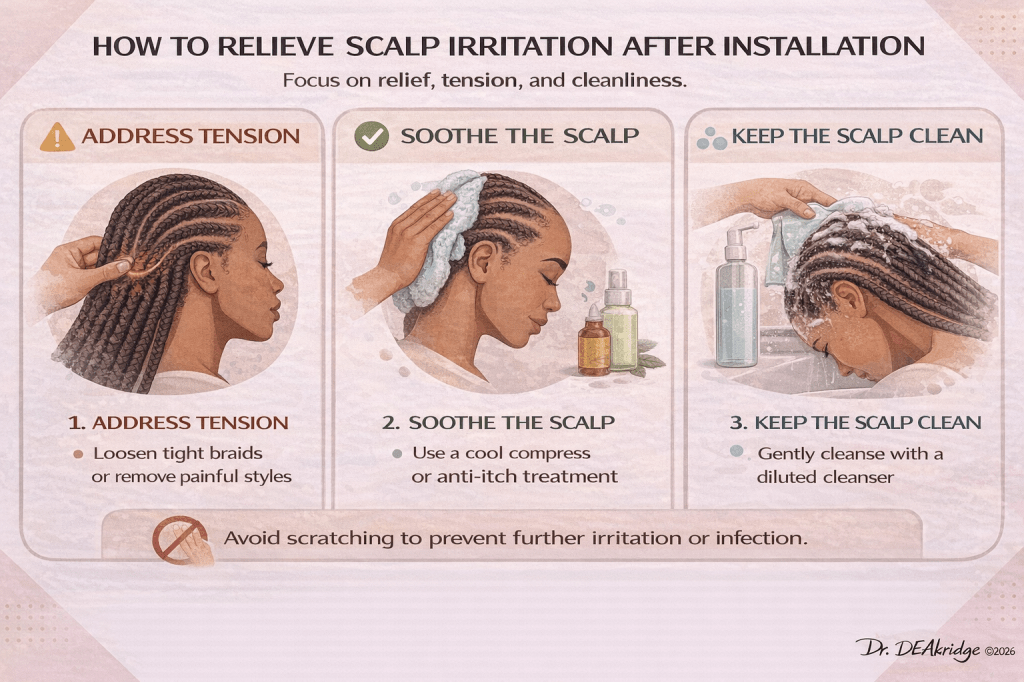
If your scalp feels tight, sore, or painful, the most important step is to reduce tension. This may mean loosening the perimeter, adjusting individual braids, or, in some cases, removing the style entirely.
Continuing to wear a style that causes pain can worsen irritation and increase the risk of damage.
Soothe Itching and Inflammation
For mild irritation, cool compresses applied to the scalp may help calm inflammation. Some people find short-term relief using gentle anti-itch treatments or calming scalp products designed for sensitive skin.
Avoid scratching, as this can break the skin and increase the risk of infection.
Keep the Scalp Clean
Even with protective styles, the scalp needs regular cleansing. Using a gentle, diluted cleanser focused on the scalp rather than the hair length can help remove sweat and buildup without disturbing the style.
Make sure the scalp dries thoroughly after cleansing, as prolonged moisture can worsen irritation.
How to Prevent Irritation in the Future
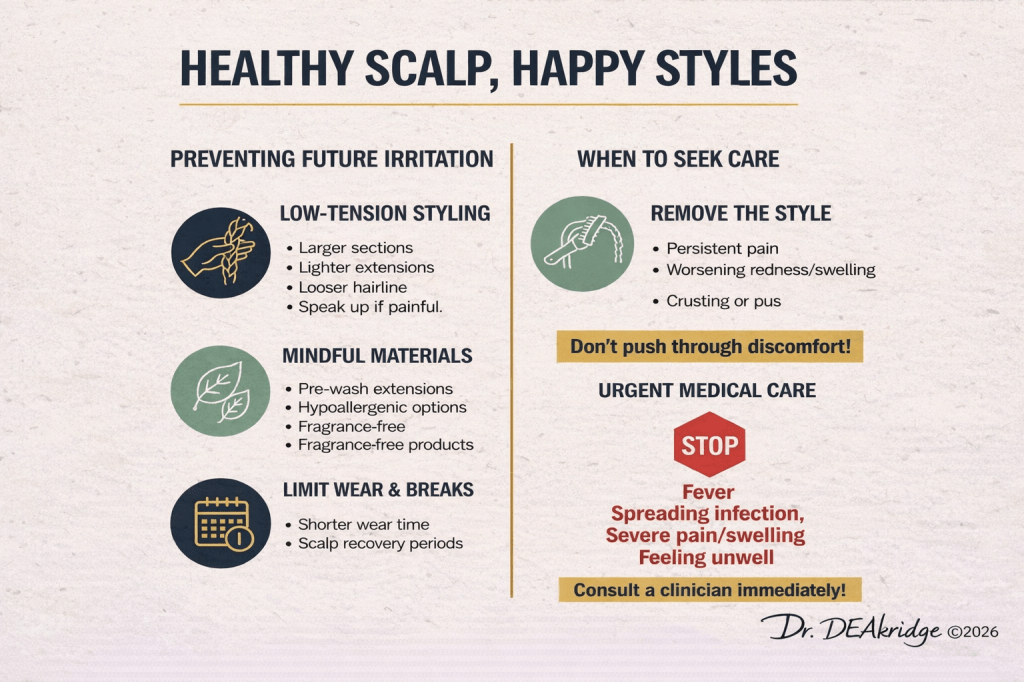
Choose low tension styling: Request larger parts, lighter extensions, and reduced tension around the hairline. Speak up during installation if discomfort starts early. Pain should not be part of the process.
Be mindful of materials and products: If you have experienced irritation before, consider minimizing exposure to heavily coated synthetic hair, strong fragrances, or harsh styling products. Choosing gentler materials and simpler product routines can make a significant difference for sensitive scalps.
Limit wear time and allow breaks: Protective does not mean permanent. Giving your scalp time to recover between styles can help reduce chronic irritation and support overall scalp health.
When to Remove the Style or Seek Medical Care
Remove the style sooner if you experience persistent pain, worsening redness, swelling, crusting, or pus. Seek medical evaluation promptly if symptoms spread, become severe, or are accompanied by fever or feeling unwell.
Scalp irritation after protective hairstyles is common, but it should not be something you simply endure. In most cases, discomfort is linked to tension, contact sensitivity, or scalp buildup, all of which can be addressed with informed choices and early intervention.
By understanding what triggers your irritation and planning your styling with scalp health in mind, you can enjoy protective hairstyles without sacrificing comfort or long-term hair health.
For more tips on healthy hair care routines, see Lead in Braiding Hair: Toxic Chemical Concerns and the Importance of Hypoallergenic Alternatives.
 Dr. Akridge Speaks